Institutionalising Analytics, One Warehouse at a Time
.svg)
%20(1).png)
A leading airline was grappling with fragmented data spread across multiple warehouses and marts on Oracle, Teradata, and other technologies.
The absence of a single version of the truth drove up operational costs, complicated the technology landscape, and created challenges for business users trying to access timely, accurate insights.
The situation was further compounded by multiple vendors, a fragmented enterprise data architecture, and overlapping BI technologies, all of which added cost and complexity while limiting business agility.
We unified fragmented data silos into a streamlined enterprise data warehouse, driving significant cost savings and embedding analytics into everyday operations. From insights to action—this transformation elevated decision-making across the airline.

The Challenge
The organisation operates under a federated model with diverse business units—ranging from engineering & MRO, airports, fleet management, and corporate etc.
Business Challenges
- No Single Version of the Truth: Multiple data warehouses and marts led to inconsistent reporting and misaligned business insights.
- High Operational Costs: Maintaining duplicate data platforms and processes significantly increased spend.
- Siloed Decision-Making: Business users struggled to access timely, accurate information across functions, slowing responsiveness.
- Fragmented Vendor Landscape: Engagement with multiple vendors reinforced silos and added contractual and operational complexity.
- Limited Business Agility: Disconnected data and reporting restricted the airline’s ability to adapt quickly to market shifts.
IT Challenges
- Fragmented Enterprise Architecture: A patchwork of Oracle, Teradata, and legacy systems increased complexity and reduced scalability.
- Overlapping BI Technologies: Parallel use of SAS, Cognos, and other tools created redundancy and governance challenges.
- Integration Gaps: Lack of an integrated data strategy prevented seamless analytics and cross-functional visibility.
- Scalability Limitations: Legacy environments were costly to maintain and unable to support the airline’s growing analytics needs.
- Governance & Trust Issues: Inconsistent data quality undermined confidence in reporting and hindered enterprise-wide adoption.
Our Approach
- Strategy & Alignment
- Secured executive sponsorship to drive alignment across business and IT.
- Defined a clear data strategy focused on a single version of the truth.
- Positioned the Enterprise Data Warehouse (EDW) as the airline’s central analytics platform.
- Operating Model Design
- Redesigned the data operating model to eliminate silos and enforce consistency.
- Streamlined governance and standardised processes across departments.
- Simplified vendor management to reduce operational and contractual complexity.
- Technology Enablement
- Consolidated disparate data warehouses and marts into a unified Teradata EDW.
- Applied Teradata’s Travel & Logistics Data Model (TLDM) as the industry-standard framework.
- Integrated BI platforms (SAS, Cognos, others) with the EDW for timely and reliable insights.
- Governance & Execution
- Established enterprise-wide data governance covering quality, access, and usage.
- Introduced architectural assurance to ensure consistency and scalability.
- Provided program and resource management to deliver disciplined execution.


Outcomes
- Business Impact: Delivered a single version of the truth across the enterprise while improving decision-making with consistent, trusted insights for business users. Enhanced agility to respond quickly to market dynamics and customer needs.
- Cost Efficiency: Reduced operational costs by consolidating multiple data warehouses and marts. Simplified vendor landscape, cutting duplication and contractual overheads. Lowered total cost of ownership through standardisation on Teradata EDW.
- Technology Modernisation: Migrated to a unified Teradata EDW. Applied the Travel & Logistics Data Model (TLDM) to standardise data structures. Enabled analytics through integrated BI platforms including SAS and Cognos.
- Organisational Agility & Governance: Introduced strong data governance, improving quality and trust in reporting. Established an enterprise data platform to support future scalability. Positioned data as a strategic asset for ongoing digital transformation.
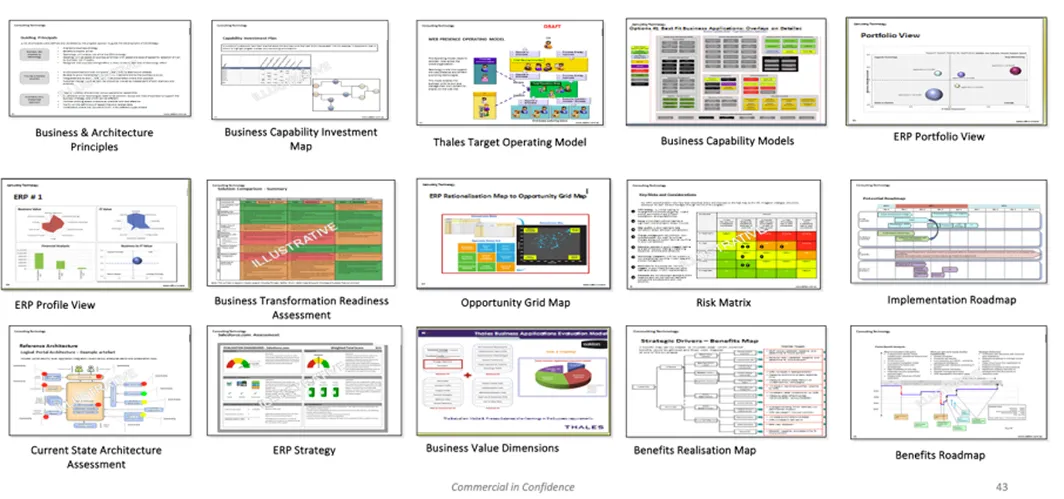
Program Artefacts
Program Technology Stack
.png)
.png)
.png)
.png)
.png)
Before, we were marketing in the dark. Now, we know who our customers are, what they want, and how to speak to them. The 360° view has not only increased our revenue but also strengthened our customer relationships.
Sarah Langston, VP of Marketing, NovaRetail Inc.
%20(1).png)
.svg)